
Album release:
LAGRIMAE
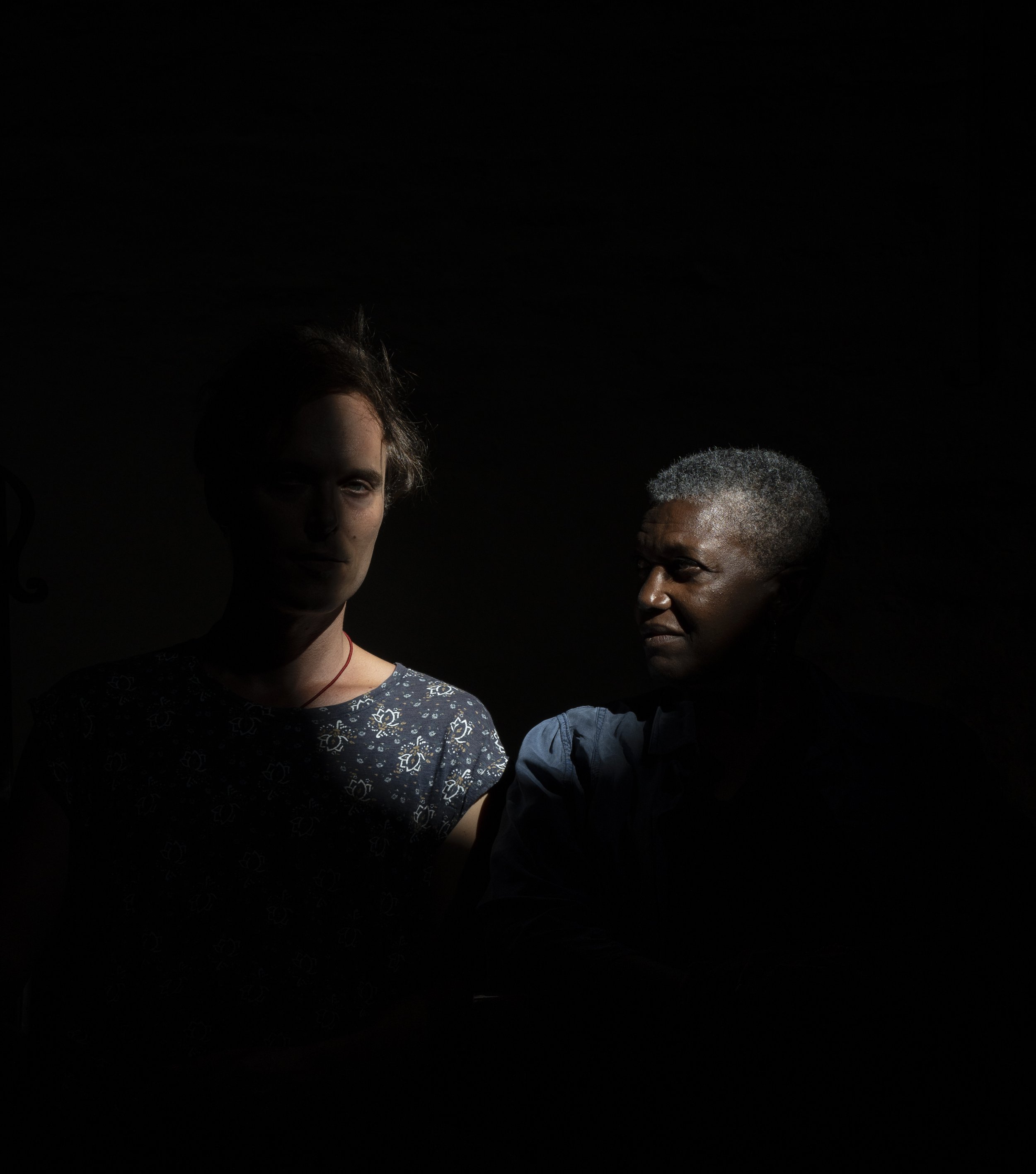
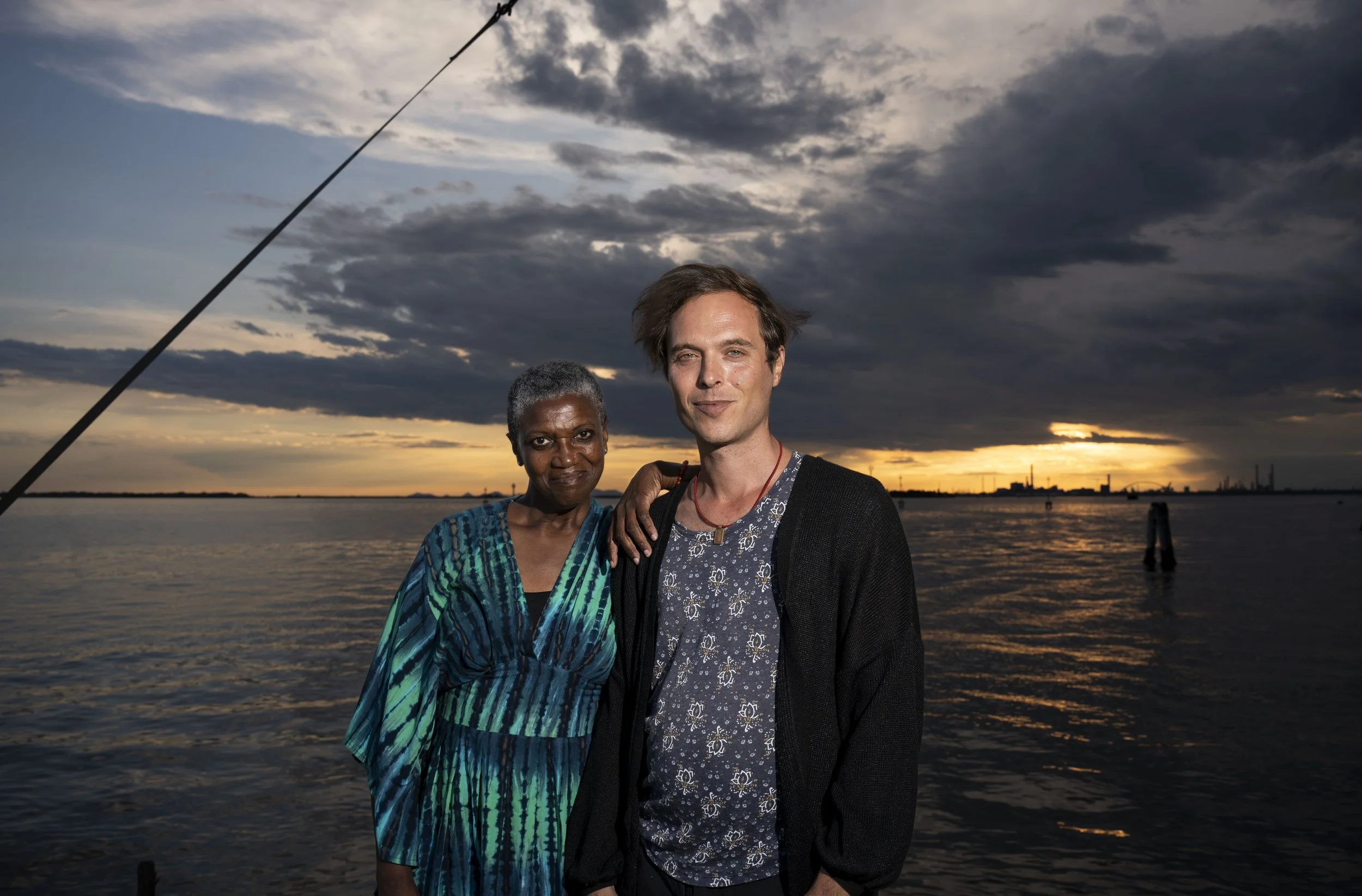
by Claron McFadden & Emanuele Wiltsch Barberio
listen here
Shaped by the echoes of The Garden, a multidisciplinary performative work created with the theater company Fanny & Alexander, Lagrimae emerges not simply as an album but as a vessel for listening, reaching toward the ancient lineage of lament.
Through the voice of Claron McFadden, it traces paths through unresolved spaces of memory and feeling. At its center are questions that remain open rather than answered: "Why does suffering recur so often in art? Are we merely consumers of other people’s pain, or is there still a space for compassion within us? Can there be a sublime beauty in suffering, an ambiguity?"
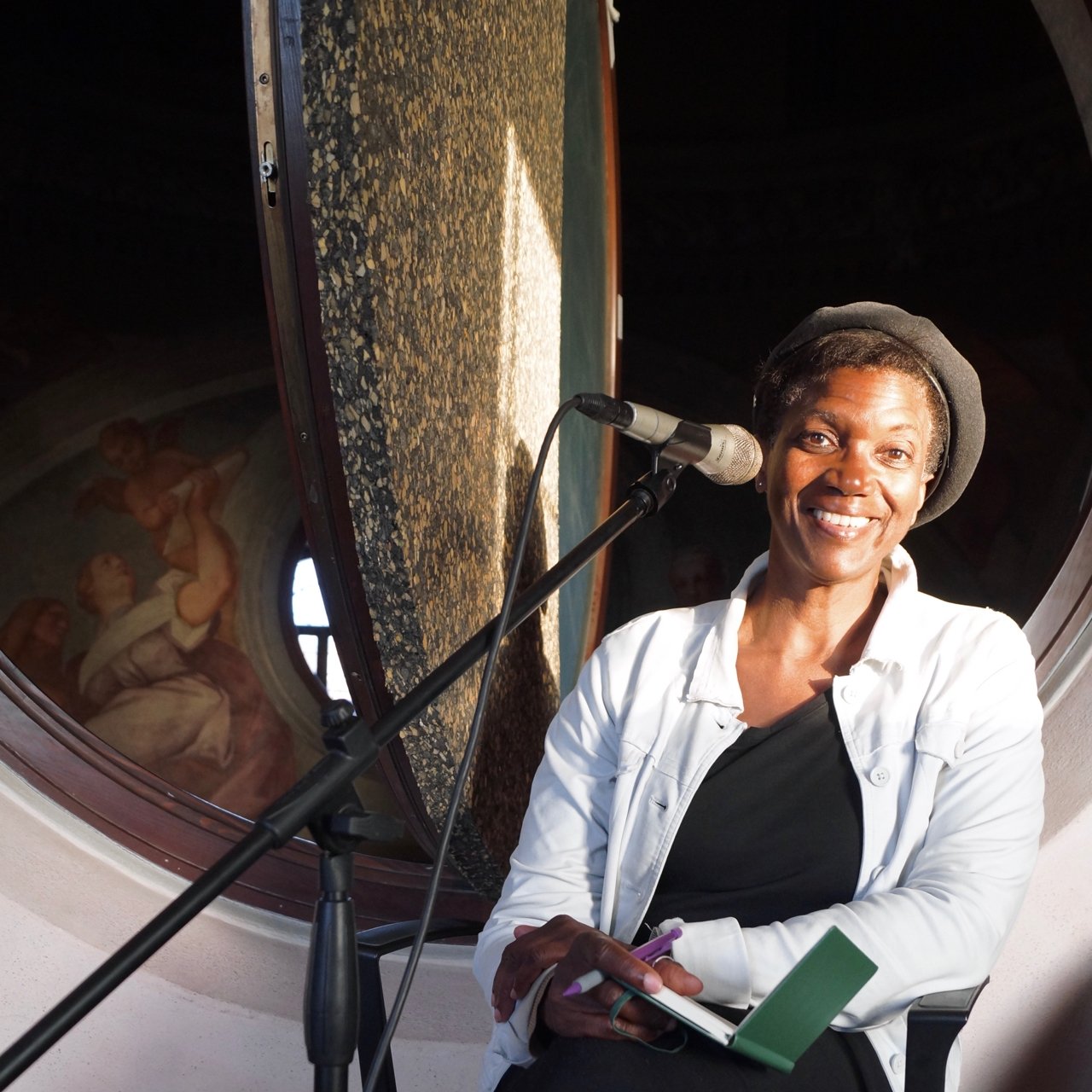
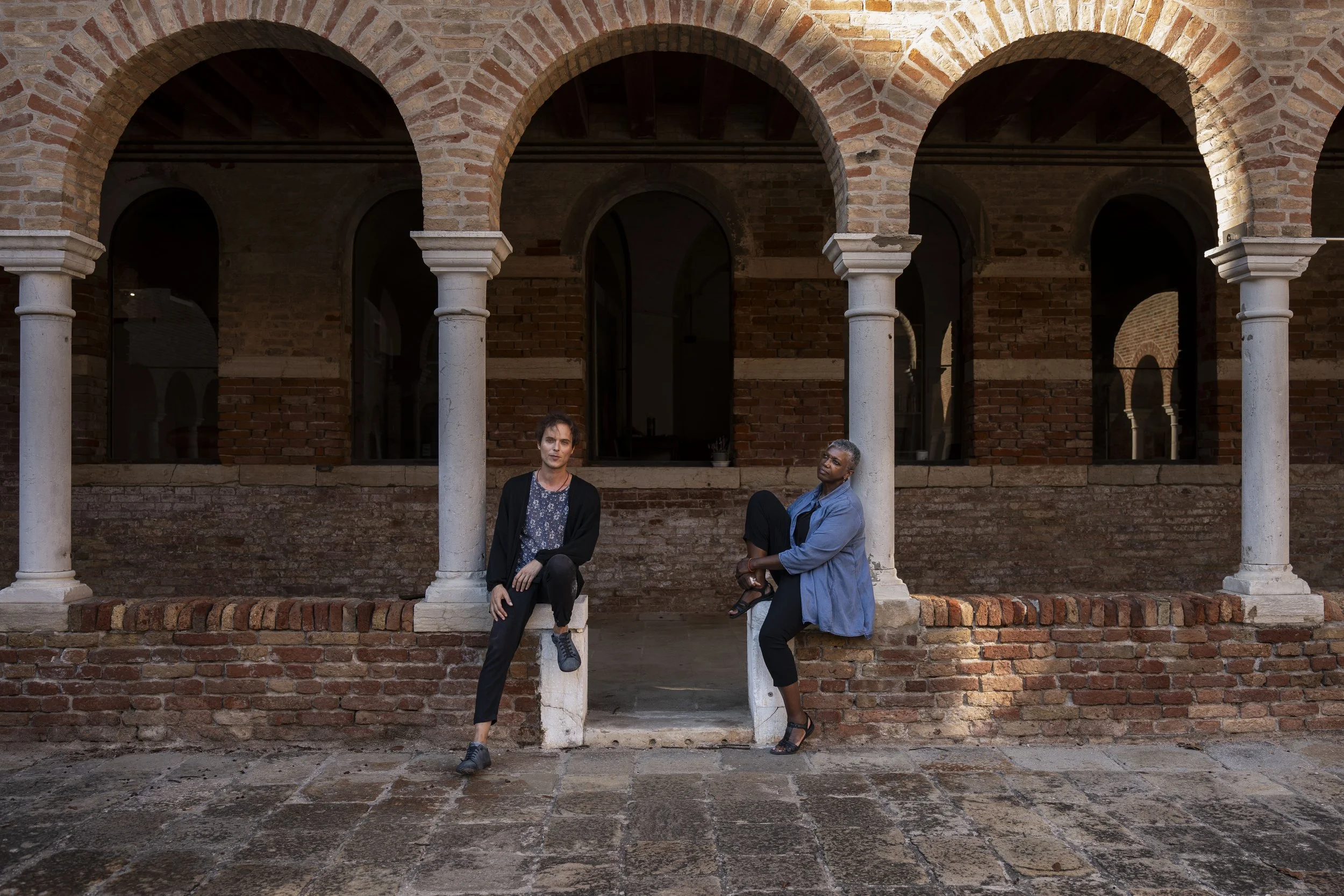
Recorded in the deconsecrated Church of Saints Cosma e Damiano on the island of Giudecca, the sound both inhabits and is inhabited by a space once devoted to prayer. The building itself becomes part of the instrument, its reverberation carrying traces of liturgy into a composition that is at once intimate and architectural.
The material draws from the Western canon of lamentatio (Monteverdi, Legrenzi, Dowland, J.C. Bach, Strozzi) bu it does not aim at historical reenactment. These fragments return as memory, refracted and ghostlike. They are not quoted but exhaled, filtered through McFadden’s body like a prism, then dissolved, suspended. What emerges is not reconstruction but transmission: of gesture, of pain, of something unnameable that endures across languages.
Lagrimae is perhaps the most essential distillation of Claron’s practice - a soprano celebrated worldwide for her fluidity across genres and epochs: the voice as archive, as instrument, as ceremony. Her interpretations do not inhabit the material, they dissolve into it. The voice, stretched and repeated, becomes its own kind of lamenting ensemble, one that Wiltsch Barberio does not manipulate, but amplifies, traces, honours.
Emanuele, whose work traverses electronic music, vocal tradition, and ritual forms, received the 2024 Premio Ubu for best sound design and composition in theatre, in collaboration with Mirto Baliani. His approach in Lagrimae continues this research: a form of subtractive composition that privileges presence over effect, resonance over rhythm, intimacy over volume. Together, Claron and Emanuele do not propose a new genre, nor a fusion. What they offer is a slow, reverent descent into listening to the breath, to the wound, to the reverberation of memory.
released
September 22, 2025
Written and produced by
Claron McFadden & Emanuele Wiltsch Barberio
Conceived with
Luigi Noah De Angelis
Mix & master
Louis McGuire